
Restorative Dentistry
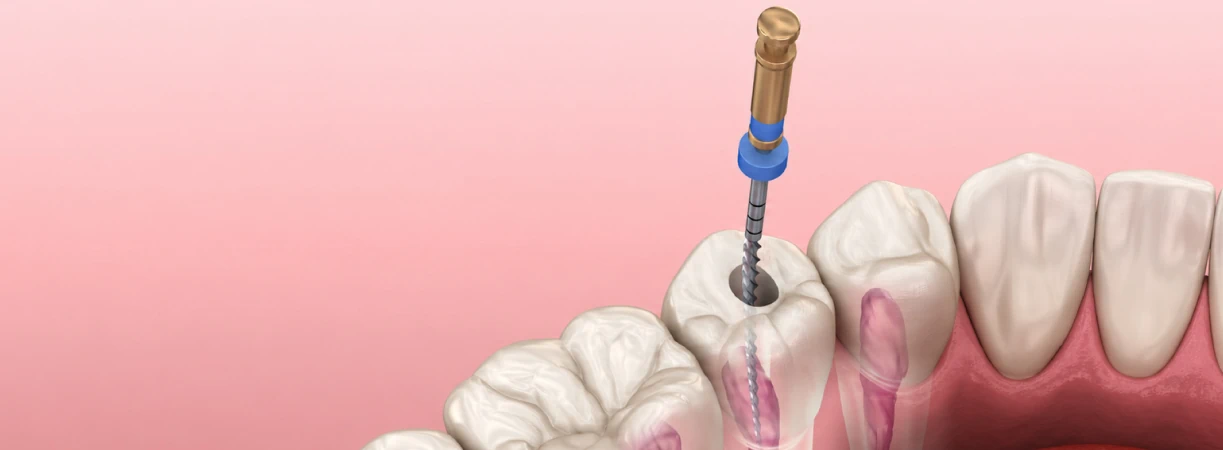
When a tooth is damaged, decayed, or weakened, it can affect more than just your smile. It may influence how you chew, speak, and maintain overall oral comfort. Restorative dentistry focuses on repairing affected teeth and supporting their function, while aiming to preserve as much of the natural structure as possible.
Treatment is tailored to your condition, with careful assessment and planning to ensure that each step supports both function and long-term oral health.
Dental Fillings for Treating Tooth Decay and Restoring Tooth Structure
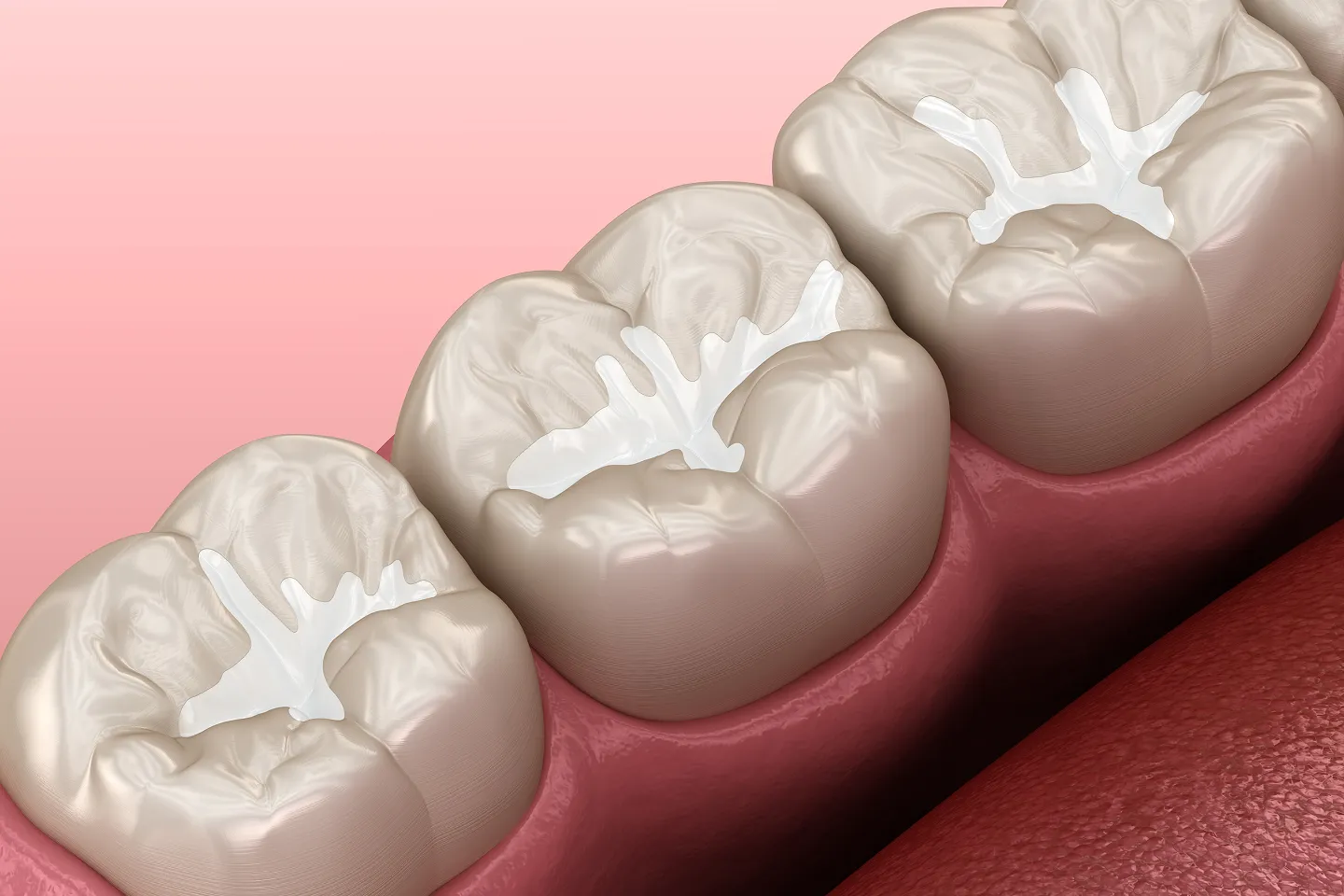
Dental fillings are commonly used to treat tooth decay and restore a tooth's natural shape and function. When decay is identified, the affected area is carefully removed, and the space is filled with a suitable restorative material.
Modern filling materials are selected based on durability, appearance, and the tooth's location. Tooth-coloured fillings are often used for a more natural look, blending with the surrounding enamel.
Early treatment of cavities helps prevent further progression, which may otherwise lead to more complex procedures. Regular check-ups enable the timely detection and management of decay.
Root Canal Treatment to Preserve Infected Teeth
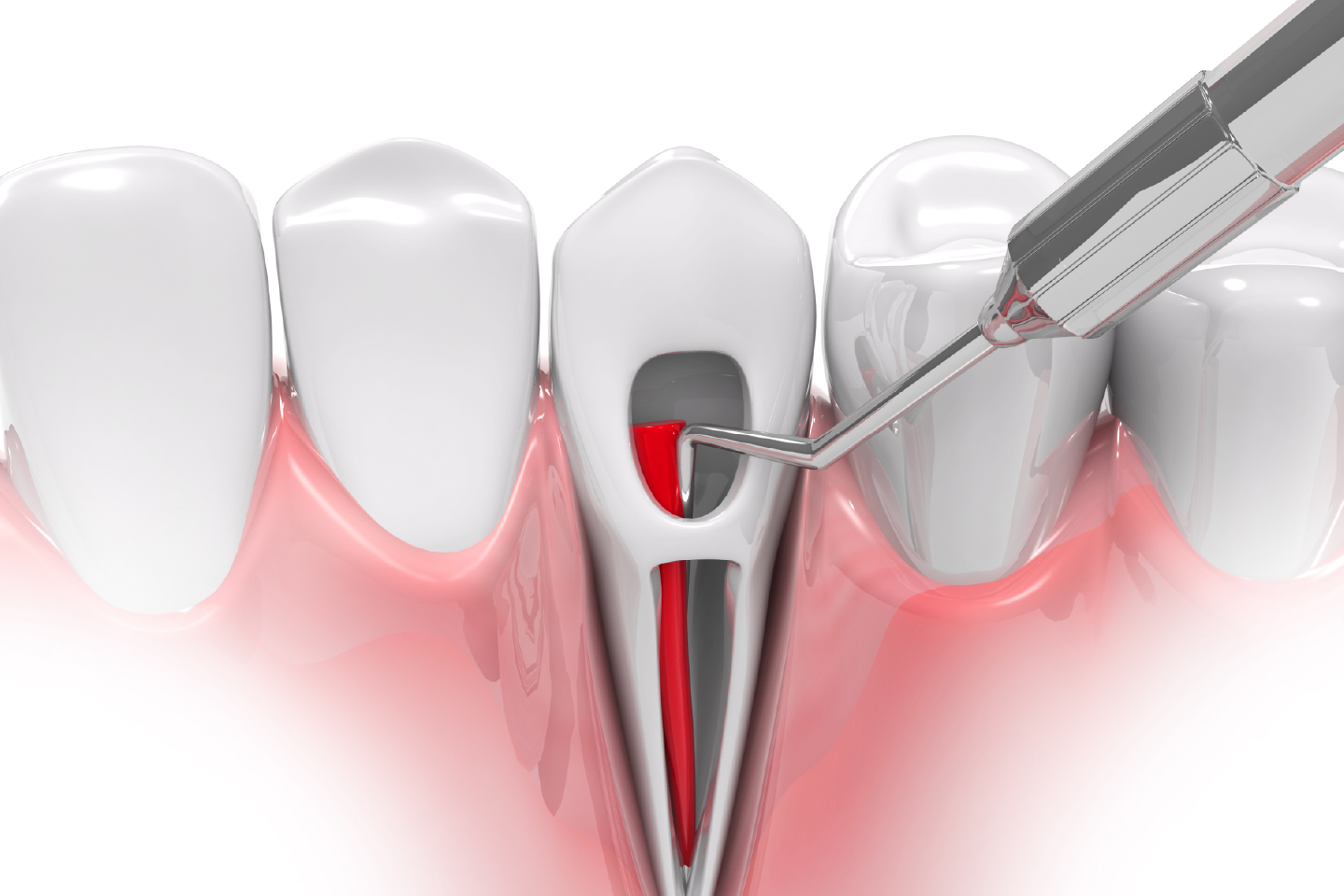
When the inner part of a tooth, known as the pulp, becomes infected or inflamed, root canal treatment may be recommended. This procedure involves removing the affected pulp tissue, cleaning the inner canals, and sealing the space to reduce the risk of further infection.
Root canal treatment is often considered when a tooth has deep decay, trauma, or repeated dental procedures. Preserving the natural tooth can help maintain bite alignment and avoid the need for extraction.
Following treatment, a crown may be recommended to support and protect the tooth structure, especially for back teeth that are exposed to higher biting forces.
Crowns and Bridges for Restoring Damaged or Missing Teeth
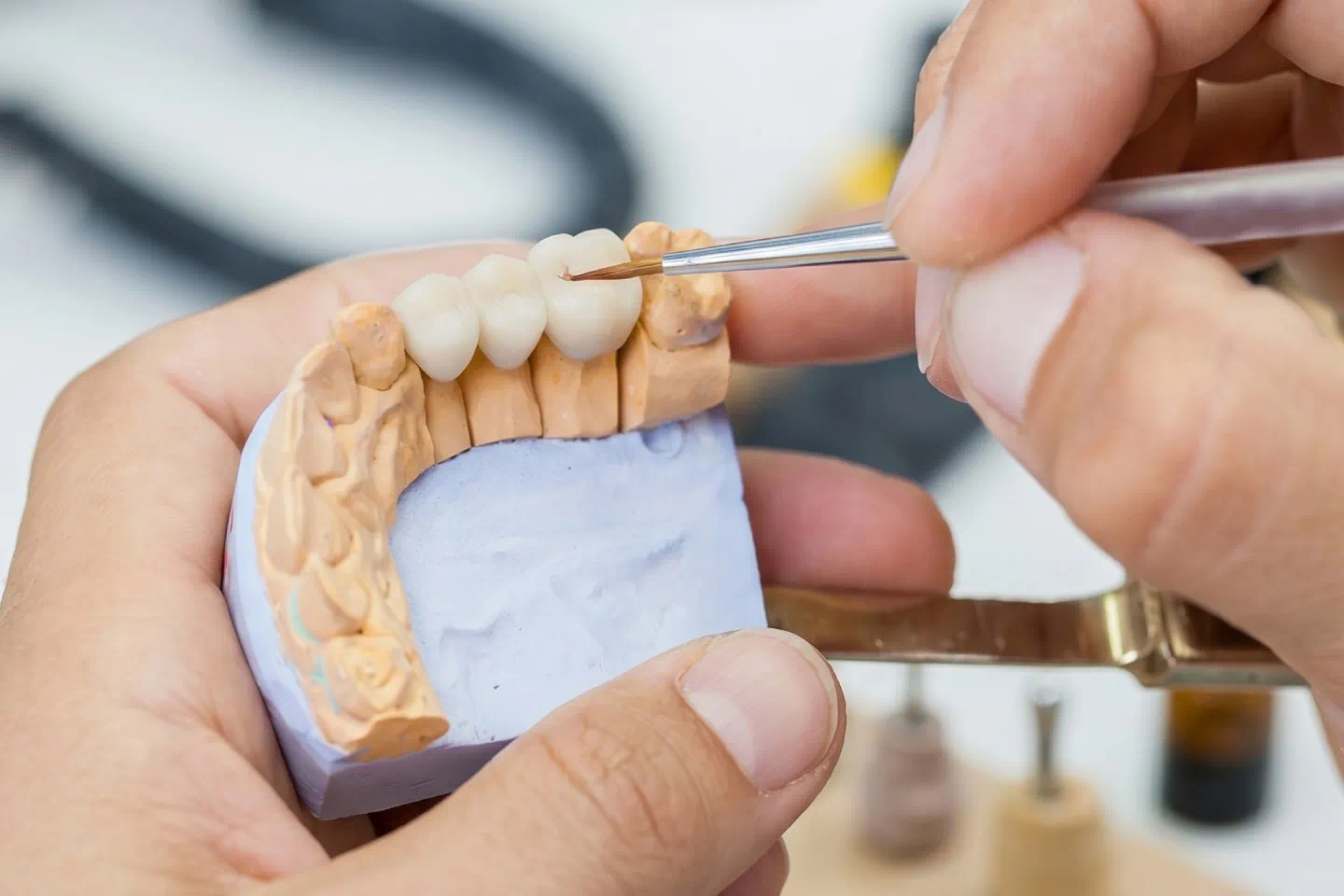
Crowns and bridges are custom-made restorations designed to repair or replace teeth while supporting function and appearance.
A dental crown is placed over a weakened or damaged tooth to restore its shape, strength, and function. It acts as a protective covering and is often recommended after root canal treatment or when a tooth has significant structural loss.
A dental bridge is used to replace one or more missing teeth by anchoring to adjacent teeth. It helps restore chewing ability and supports the alignment of surrounding teeth.
Both crowns and bridges are carefully designed to fit comfortably and blend with your natural teeth, while supporting everyday function.
Personalised Restorative Treatment Planning for Long-term Oral Health
Restorative dentistry is not a one-size-fits-all approach. Each treatment plan is based on your specific needs, taking into account the condition of your teeth, your oral health history, and your daily habits.
Your dentist will assess:
- The extent of tooth damage or decay
- Gum health and supporting structures
- Bite alignment and function
- Long-term maintenance considerations
The goal is to provide care that supports both immediate repair and ongoing oral stability, while prioritising clinical safety at every stage.
When to Consider Restorative Dental Treatment
You may benefit from restorative dentistry if you notice:
- Tooth sensitivity or persistent discomfort
- Visible cavities or dark spots on teeth
- Cracked, chipped, or worn teeth
- Pain when chewing or biting
- Missing teeth affecting function
Early evaluation allows for more conservative treatment options and helps maintain natural tooth structure where possible.
Book a Consultation with Dr Jeevan
If you are experiencing discomfort or have concerns about damaged or missing teeth, seeking timely care can make a meaningful difference. Restorative dentistry aims to bring back comfort and function while supporting your long-term oral health.
Schedule a consultation with Dr Jeevan for a detailed assessment and personalised treatment plan.
FAQs About Restorative Dentistry
Q: How do I know if I need a dental filling?
A: A dental filling may be recommended if you have tooth decay, minor fractures, or worn areas on a tooth. Signs can include sensitivity to hot or cold, discomfort when eating, or visible dark spots. However, some cavities may not cause symptoms in the early stages, which is why regular dental check-ups are important. Your dentist will assess the tooth and advise whether a filling is appropriate.
Q: Is root canal treatment painful?
A: Root canal treatment is carried out with appropriate anaesthesia to keep you comfortable during the procedure. You may feel some pressure, but sharp pain is generally managed during treatment. After the procedure, mild discomfort can occur as the area settles, but this is usually temporary. Your dentist will provide guidance on managing any post-treatment sensitivity.
Q: How long do crowns and bridges last?
A: The lifespan of crowns and bridges can vary depending on factors such as oral hygiene, bite forces, and the material used. With proper care and regular dental visits, they can function effectively for many years. Your dentist will monitor the condition of your restoration during routine check-ups and advise if any maintenance or replacement is needed.
Q: Can a damaged tooth always be saved?
A: Not all damaged teeth can be preserved, but many can be restored with timely treatment. Options such as fillings, root canal treatment, or crowns may help maintain the natural tooth structure. The suitability of treatment depends on the extent of damage and the overall condition of the tooth and surrounding tissues.
Q: What should I expect after restorative dental treatment?
A: After treatment, you may experience mild sensitivity or discomfort, depending on the procedure performed. This usually improves within a short period. Your dentist will provide aftercare instructions to support healing and maintain your restoration. Regular follow-up visits help ensure that the treated tooth remains stable and functional.

Let’s Get Social
Follow for oral health tips, treatment updates, and helpful insights for maintaining a healthy smile.


Experienced Lab Partners Supporting Care
A dental care network supporting clinical services and treatment coordination.

Get in Touch
Don’t wait for symptoms to worsen, book your consultation today and take the first step towards better health.

Appointments & Bookings:
Other Enquiries (Non-Appointment):



Dr Jeevan provides dental care in Singapore, offering services in general dentistry, prosthodontics, oral surgery, and aesthetic treatments tailored to individual patient needs.
© 2026 Dr Jeevan Apok | All Rights Reserved | Privacy Policy | Website Design by Remedo