
Oral Surgery
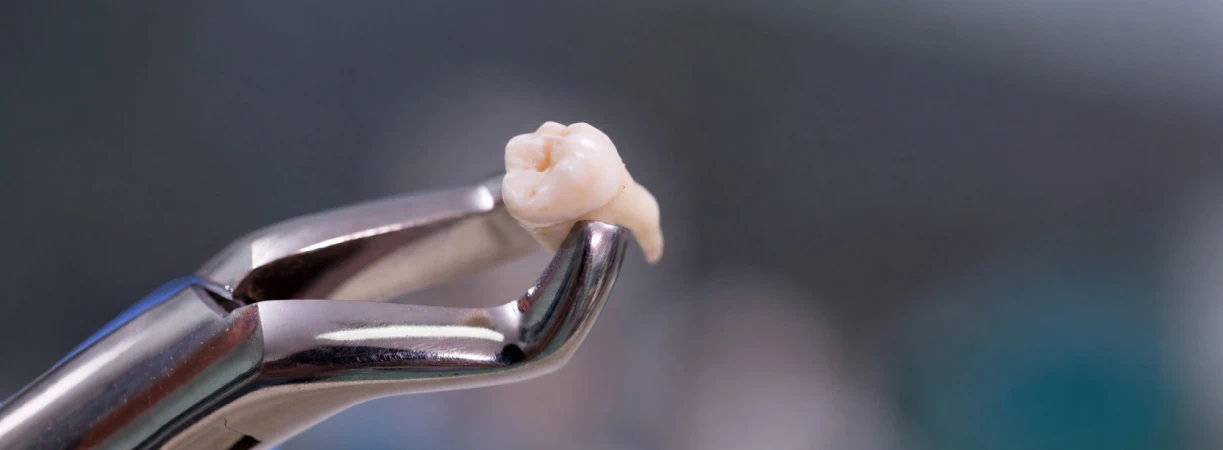
Some dental conditions cannot be managed with routine care alone. When a tooth is severely damaged, impacted, or missing, minor oral surgical procedures may be recommended to restore comfort and support overall oral health. Oral surgery is planned carefully, with a focus on patient safety, clear communication, and a comfortable experience throughout the process.
Each treatment is based on a detailed clinical assessment, ensuring the approach is appropriate for your condition and long-term needs.
Tooth Extraction for Damaged or Non-Restorable Teeth
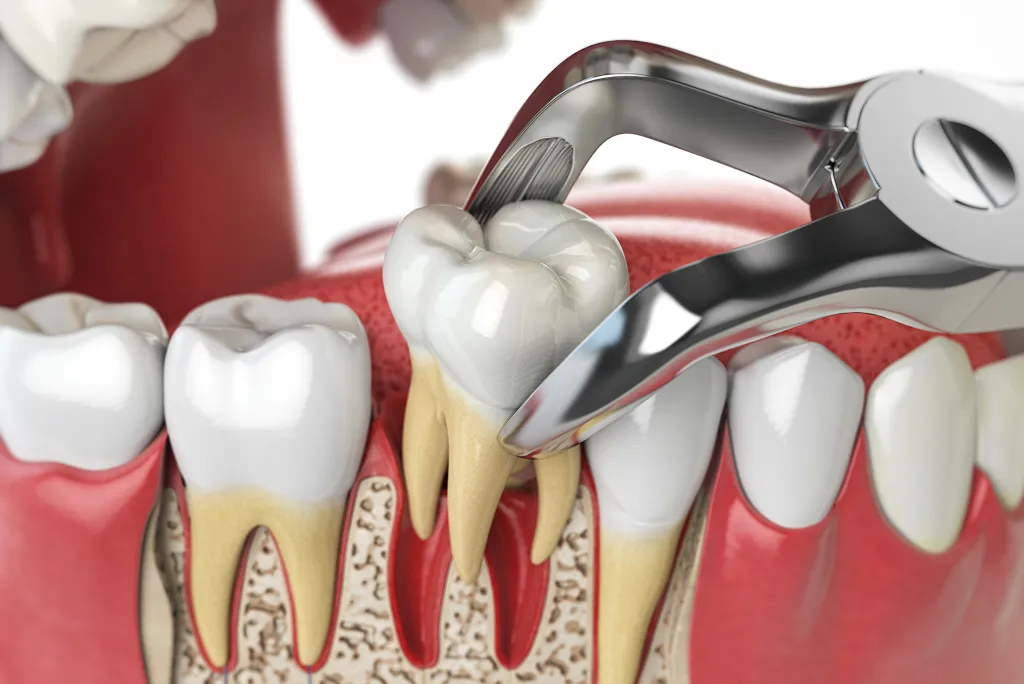
Tooth extraction may be considered when a tooth cannot be preserved due to extensive decay, infection, or structural damage. While preserving natural teeth is always prioritised where possible, removal may sometimes be the most suitable option to prevent further complications.
Before the procedure, your dentist will assess the tooth and surrounding tissues and discuss the reasons for extraction. The area is numbed using local anaesthesia to keep you comfortable during the process.
After removal, guidance is provided to support healing and reduce the risk of complications. In some cases, options for replacing the extracted tooth may also be discussed as part of your longer-term care plan.
Wisdom Tooth Removal for Impacted or Problematic Teeth
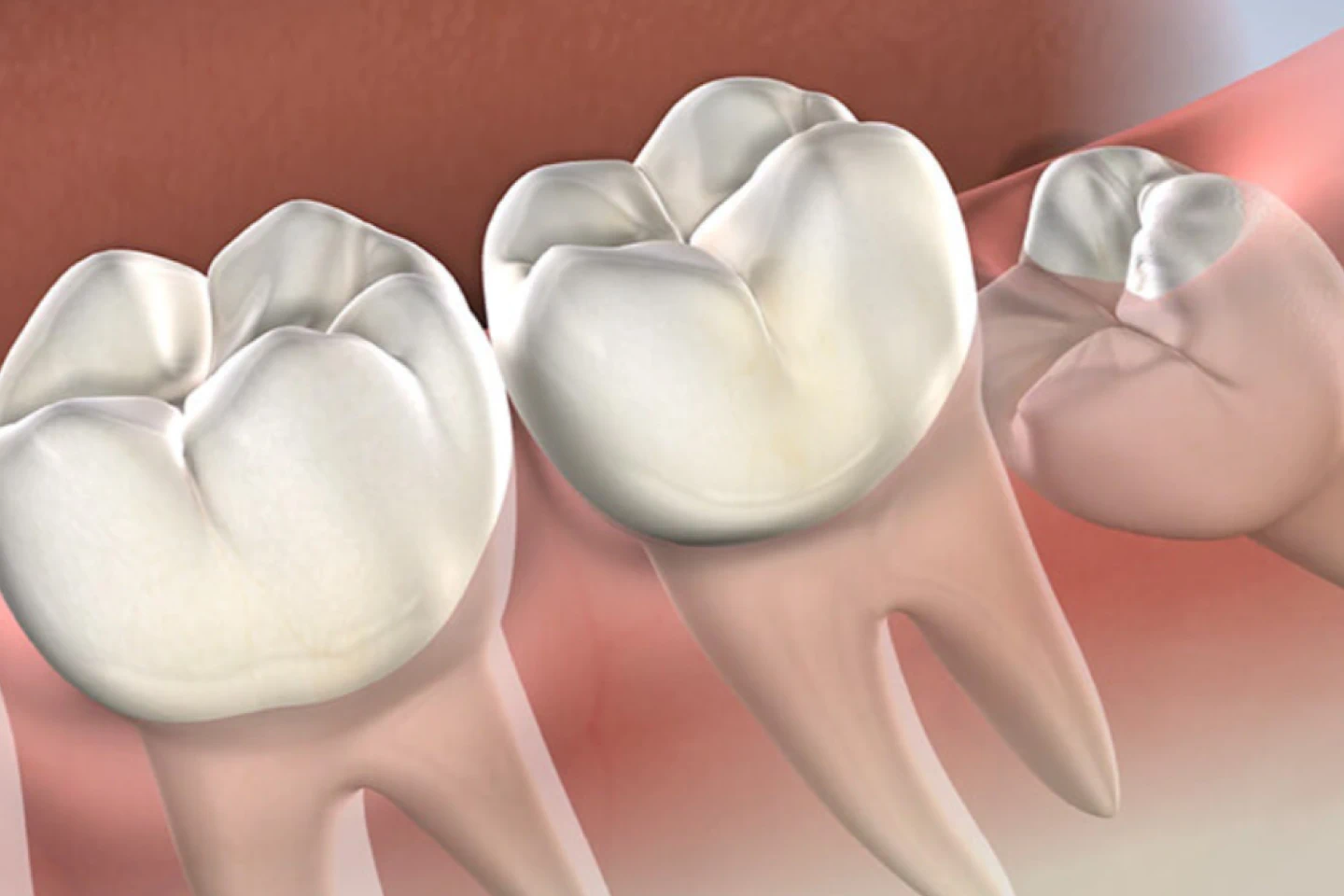
Wisdom teeth, also known as third molars, can sometimes cause issues if there is not enough space for them to erupt properly. They may become impacted, partially erupted, or difficult to clean, increasing the risk of discomfort, swelling, or infection.
Wisdom tooth removal is recommended when these teeth are causing symptoms or have the potential to affect neighbouring teeth. The procedure is planned based on clinical examination and, where needed, imaging to determine the tooth's position.
Care is taken to minimise discomfort during and after the procedure. You will receive clear instructions on how to manage the healing period, including advice on eating, cleaning, and activity.
Dental Implant Surgery for Replacing Missing Teeth
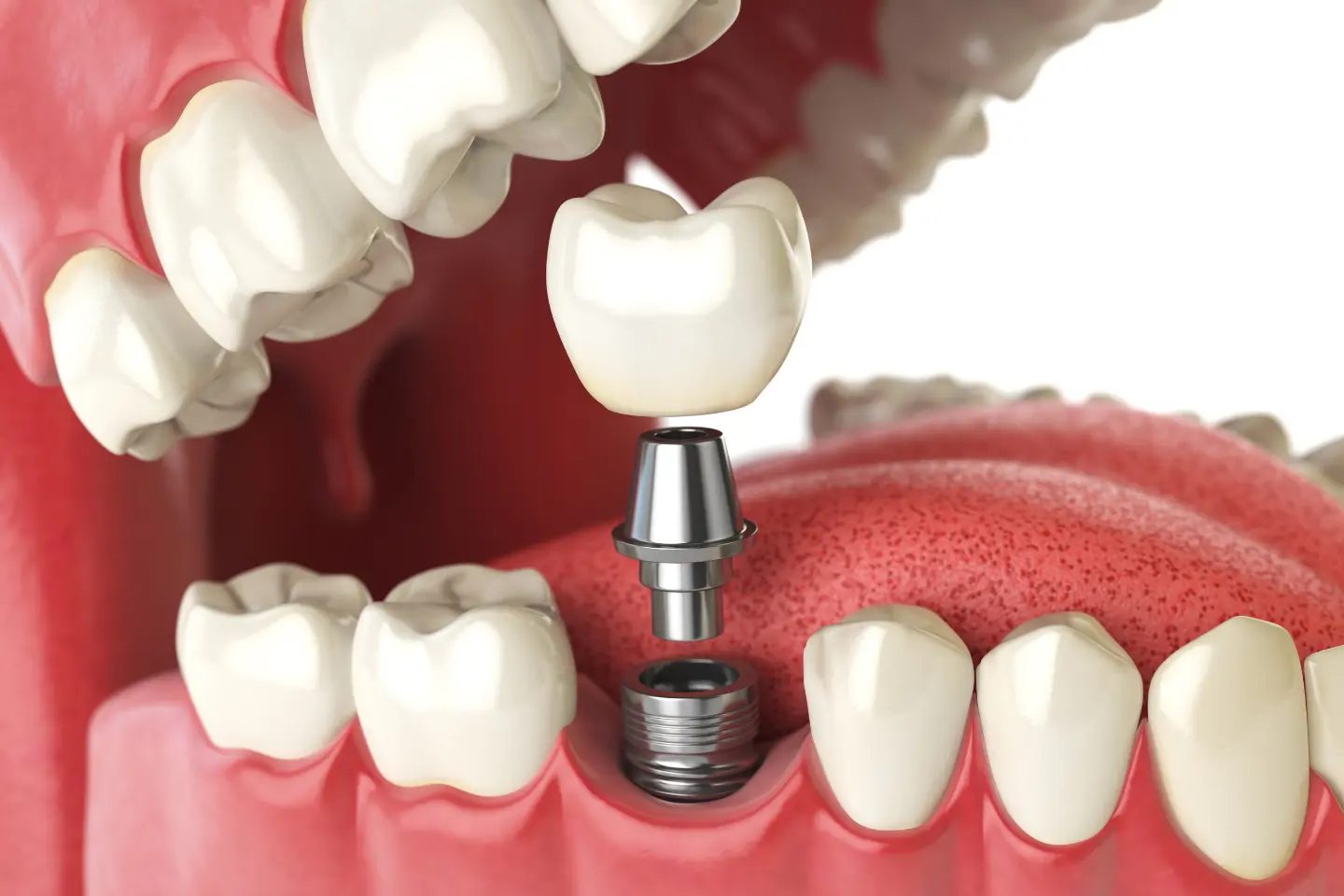
Dental implant surgery is a treatment option for replacing missing teeth by placing a small titanium post into the jawbone. This post serves as support for a replacement tooth, helping restore function and appearance.
The process begins with a thorough assessment to determine whether implant treatment is suitable for you. Factors such as bone quality, gum health, and overall oral condition are carefully evaluated.
After placement, the implant is allowed time to integrate with the bone before a custom restoration is attached. This staged approach supports stability and function over time. Dental implants can be used to replace a single tooth or support multiple restorations, depending on your needs.
Careful Planning and Clinical Safety in Oral Surgery
Oral surgery is carried out with a strong focus on planning and patient well-being. Your dentist will take time to explain the procedure, discuss possible options, and answer any questions you may have before treatment begins.
Planning typically includes:
- Clinical examination and assessment
- Imaging where appropriate
- Review of your medical history
- Discussion of suitable treatment options
This approach helps ensure that your care is tailored to your situation, with attention to both immediate needs and longer-term outcomes.
What to Expect After an Oral Surgery Procedure
After oral surgery, it is normal to experience some swelling or mild discomfort as the area heals. This usually improves over a few days with appropriate care.
You will be given clear aftercare instructions, which may include:
- Guidance on managing discomfort
- Advice on eating softer foods temporarily
- Instructions for keeping the area clean
- Recommendations on activity levels during recovery
Following these instructions can support a smoother healing process. If you have any concerns during recovery, your dental team will be available to guide you.
When to Consider Oral Surgery
You may be advised to consider oral surgery if you experience:
- Persistent tooth pain that cannot be managed with restorative care
- Swelling or infection around a tooth
- Impacted or painful wisdom teeth
- Missing teeth affecting function or comfort
Early assessment helps determine the most appropriate treatment and can prevent further complications.
Speak with Dr Jeevan About Oral Surgery Options
If you have been advised to consider a dental extraction, wisdom tooth removal, or implant treatment, it helps to have a clear and supportive discussion before making a decision.
Book a consultation with Dr Jeevan to understand your options and receive a personalised treatment plan.
FAQs About Oral Surgery
Q: Is tooth extraction always necessary for a damaged tooth?
A: Not always. Dentists aim to preserve natural teeth whenever possible. However, if a tooth is severely damaged, infected, or cannot be restored predictably, extraction may be recommended. Your dentist will assess your condition and discuss suitable options before proceeding.
Q: How do I know if my wisdom teeth need removal?
A: Wisdom teeth may need removal if they are causing pain, swelling, repeated infection, or are difficult to clean. In some cases, they may also affect neighbouring teeth. A clinical examination, along with imaging if required, helps determine whether removal is appropriate.
Q: Is dental implant surgery suitable for everyone?
A: Dental implant surgery may be suitable for many patients, but it depends on factors such as bone quality, gum health, and overall oral condition. A thorough assessment is carried out before treatment is recommended. Your dentist will explain whether implants are a suitable option for you.
Q: Will I feel pain during oral surgery?
A: Procedures are carried out using local anaesthesia to keep you comfortable. You may feel some pressure during treatment, but sharp pain is usually managed. After the procedure, mild discomfort or swelling can occur and is typically temporary. Your dentist will provide guidance on managing this during recovery.

Let’s Get Social
Follow for oral health tips, treatment updates, and helpful insights for maintaining a healthy smile.


Experienced Lab Partners Supporting Care
A dental care network supporting clinical services and treatment coordination.


Get in Touch
Don’t wait for symptoms to worsen, book your consultation today and take the first step towards better health.

Appointments & Bookings:
Other Enquiries (Non-Appointment):



Dr Jeevan provides dental care in Singapore, offering services in general dentistry, prosthodontics, oral surgery, and aesthetic treatments tailored to individual patient needs.
© 2026 Dr Jeevan Apok | All Rights Reserved | Privacy Policy | Website Design by Remedo