Prosthodontics
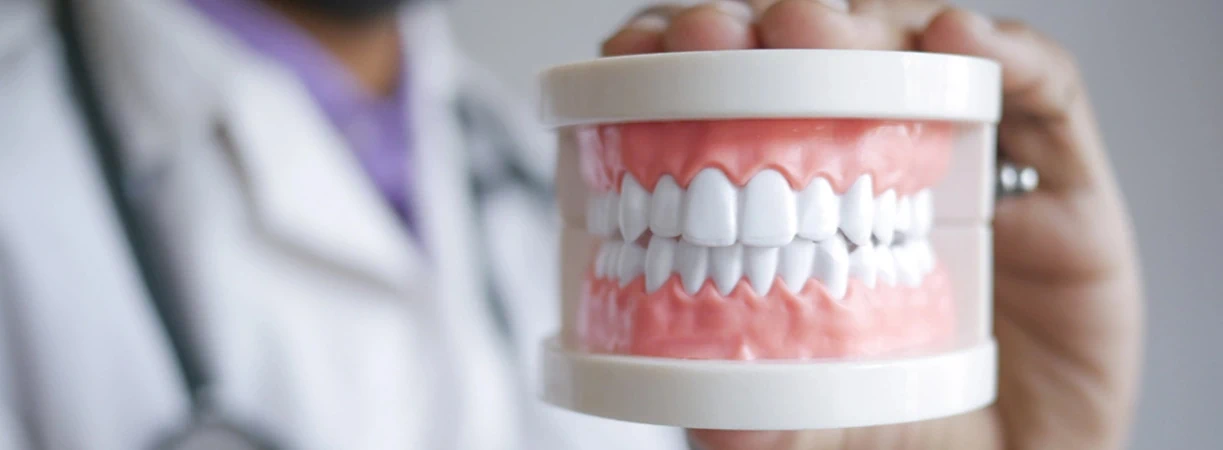
Restoring Function and Appearance With Carefully Planned Tooth Replacement
Missing teeth can affect everyday life in ways that are not always immediately obvious. Beyond the visible gap, they can make chewing less efficient, alter speech clarity, and gradually impact the alignment of surrounding teeth. Over time, this may also influence facial support and overall oral balance.
Prosthodontics focuses on restoring missing teeth to support both function and aesthetics. The aim is to provide solutions that feel stable, look natural, and allow you to return to comfortable daily routines with confidence.
What Is Prosthodontics?
Prosthodontics is the area of dentistry dedicated to replacing missing teeth and rehabilitating oral function. Treatment planning involves a detailed understanding of your bite, gum condition, and overall oral health.
Each prosthetic solution is designed to integrate with your existing structures, ensuring that it not only replaces missing teeth but also supports long-term comfort and stability.
This approach helps maintain balance within the mouth while improving both function and appearance.
Dentures
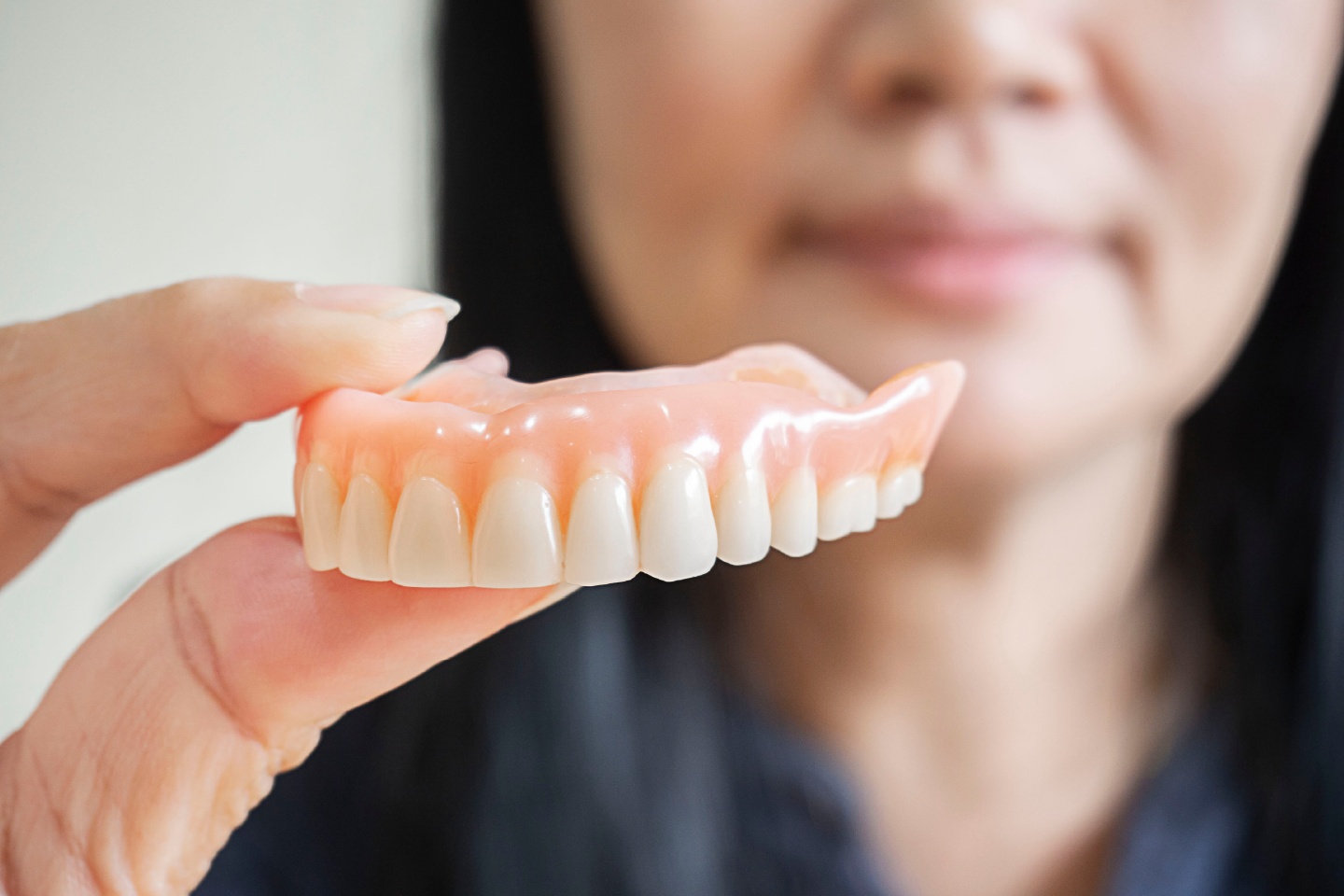
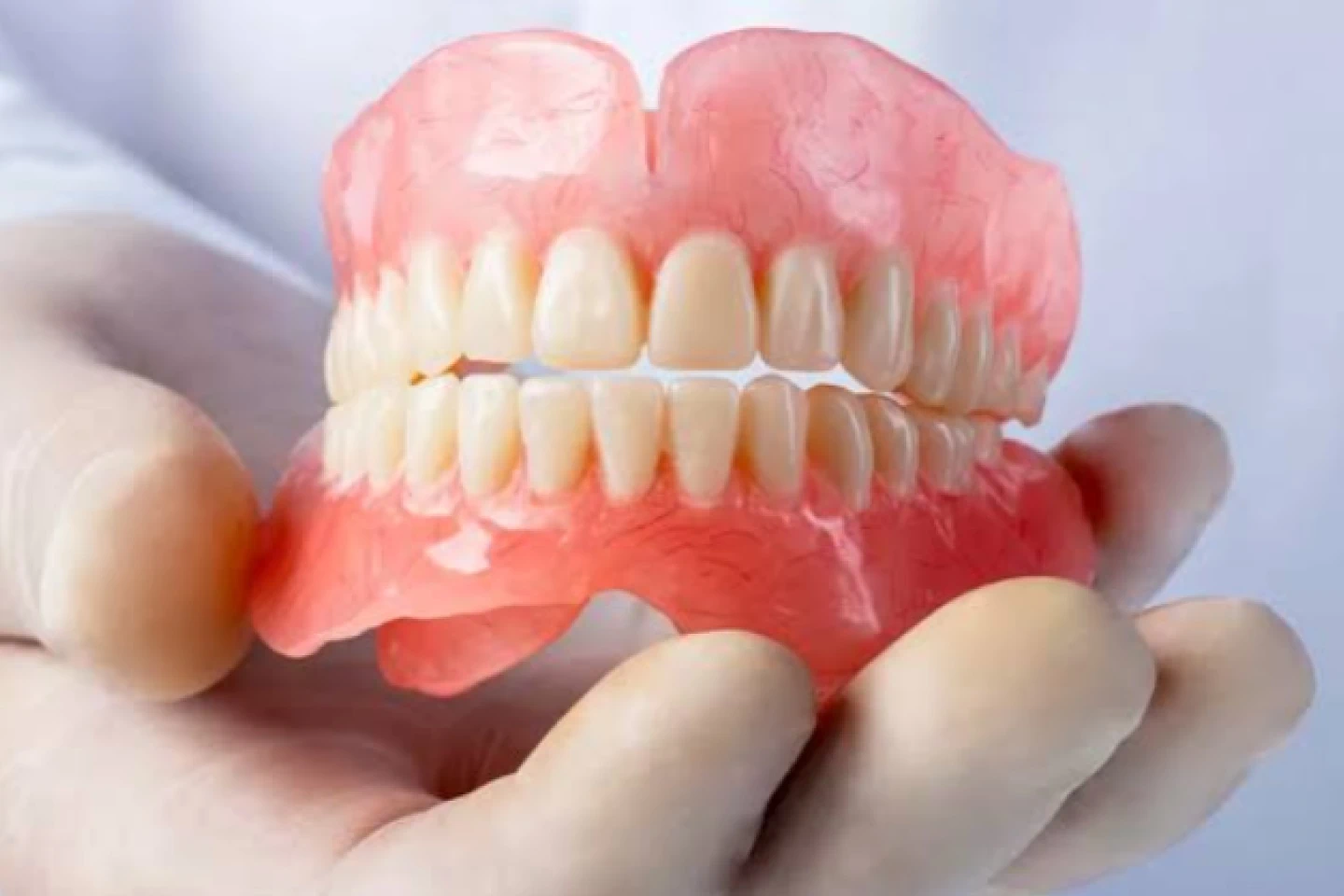
Dentures are custom-made removable appliances used to replace missing teeth. They are designed to restore both function and aesthetics, allowing you to eat, speak, and smile more easily.
Advances in materials and design have made modern dentures designed using current materials and techniques to support fit and function
Types of Dentures
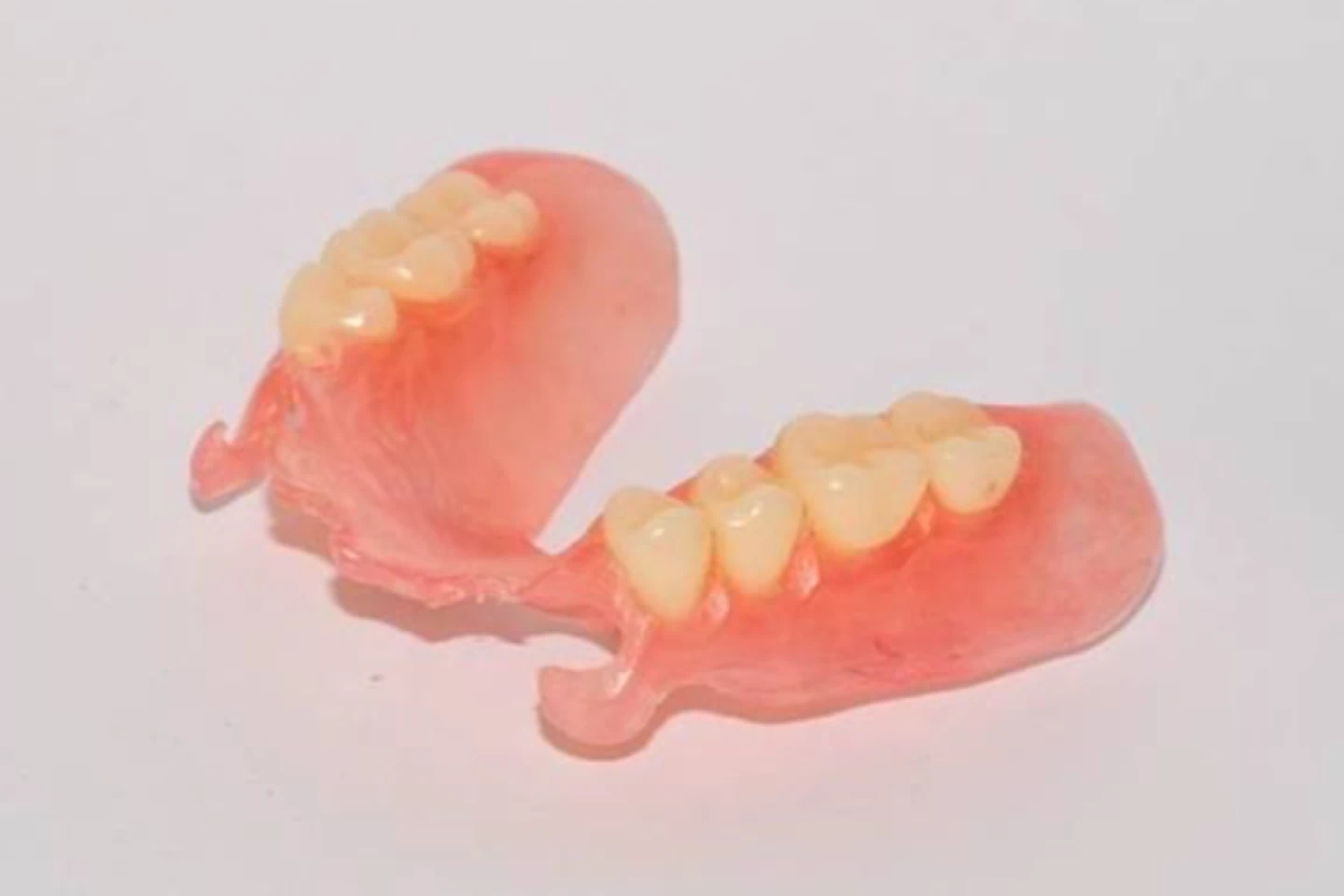
Partial dentures
Used when some natural teeth remain, helping to fill gaps while maintaining alignment
Complete dentures
Used when all teeth in an upper or lower arch are missing, restoring full function and appearance
What Dentures Help With
• Improving the ability to chew a wider range of foods
• Supporting clearer and more confident speech
• Restoring facial contours that may be affected by tooth loss
• Providing a practical solution for replacing multiple missing teeth
A Tailored Approach to Denture Design
Successful denture treatment depends on careful planning and precision. Every detail, from fit to appearance, is considered to ensure the appliance works effectively for you.
Key considerations include:
• The shape and condition of your gums and jawbone
• The position and health of any remaining teeth
• Your bite alignment and jaw movement
• Your expectations for comfort and appearance
The goal is to create a denture that feels secure, functions well, and blends naturally with your features.
What to Expect During Treatment
The denture process is carried out in stages to ensure accuracy and comfort:
• Initial consultation and detailed assessment
• Impressions or digital scans for precise measurements
• Bite registration to ensure proper alignment
• Trial fittings to assess appearance and comfort
• Final placement and necessary adjustments
Follow-up visits are important for fine-tuning the fit and ensuring long-term comfort.
Adjusting to Dentures
It is normal to take some time to get used to wearing dentures. During the initial period, you may notice:
• A feeling of fullness in the mouth
• Minor changes in speech
• Increased awareness of the appliance
With regular use, many patients adapt over time in eating and speaking.
Caring for Your Dentures
Proper care helps maintain both hygiene and durability:
• Clean your dentures daily using appropriate cleaning methods
• Handle them carefully to avoid damage
• Store them safely when not in use
• Attend regular dental reviews to check fit and condition
Over time, adjustments may be needed as your gums naturally change shape.
Benefits of Replacing Missing Teeth
Addressing tooth loss can have a positive impact on multiple aspects of your oral health and daily life:
• Improved chewing efficiency and dietary comfort
• Better speech clarity
• Enhanced facial support and appearance
• Reduced risk of shifting teeth
Frequently Asked Questions
Q: How long does it take to adjust to dentures?
A: Most patients adapt within a few weeks. Initial challenges with speech or eating are common but tend to improve with practice and time.
Q: Will dentures feel loose?
A: A well-made denture should feel stable. Some minor movement can occur, especially with lower dentures, but adjustments can help improve fit.
Q: Can I eat normally with dentures?
A: You may need to start with softer foods and gradually return to a wider range of foods as you become more comfortable.
Q: How do I know if my dentures need adjustment?
A: If you experience discomfort, slipping, or difficulty chewing, it may be time for a review and adjustment.
Q: How often should dentures be replaced?
A: Dentures typically last several years, but changes in your gums and jaw may require relining or replacement over time.
Q: Are there alternatives to dentures?
A: Depending on your situation, other options such as bridges or implants may be considered. A consultation can help determine what is suitable for you.
Consider a Clinical Assessment for Tooth Replacement Options
Replacing missing teeth is an important step towards restoring comfort, function, and confidence. Dentures are one of the options available for tooth replacement when carefully designed and fitted.
If you are considering tooth replacement or experiencing difficulties due to missing teeth, a consultation can help you explore suitable options and plan the next steps with clarity.

Let’s Get Social
Follow for oral health tips, treatment updates, and helpful insights for maintaining a healthy smile.


Experienced Lab Partners Supporting Care
A dental care network supporting clinical services and treatment coordination.


Get in Touch
Don’t wait for symptoms to worsen, book your consultation today and take the first step towards better health.

Appointments & Bookings:
Other Enquiries (Non-Appointment):



Dr Jeevan provides dental care in Singapore, offering services in general dentistry, prosthodontics, oral surgery, and aesthetic treatments tailored to individual patient needs.
© 2026 Dr Jeevan Apok | All Rights Reserved | Privacy Policy | Website Design by Remedo